 by
by The Kailash Mansarovar Yatra Overland is one of the most remarkable pilgrimage journeys in the Himalayan region. Every year, pilgrims and adventure-minded travelers undertake this demanding journey to experience the spiritual significance of Mount Kailash and the serene beauty of Lake Mansarovar. Unlike a conventional holiday, the yatra combines religious devotion, high-altitude travel, challenging terrain, and cultural exploration.
Because the journey involves remote areas and significant altitude changes, proper planning is essential. Understanding the route, permits, accommodation, physical preparation, and travel conditions can make the experience safer and more comfortable. This guide explains the major aspects travelers should consider before embarking on an overland Kailash Mansarovar journey.
What Is the Kailash Mansarovar Yatra?
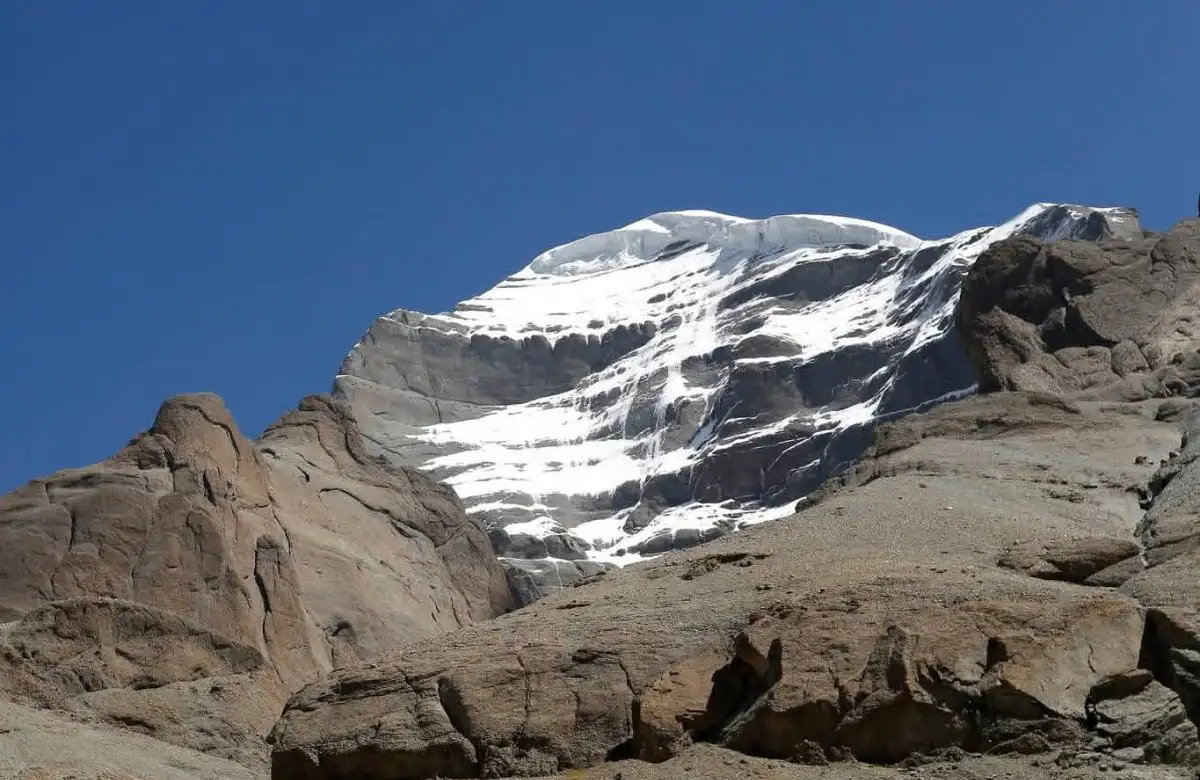
The Kailash Mansarovar Yatra is a pilgrimage centered around Mount Kailash and Lake Mansarovar in the Tibetan region. Mount Kailash holds deep spiritual importance in several religions, including Hinduism, Buddhism, Jainism, and Bon. Lake Mansarovar is also regarded as a sacred lake and has been associated with religious traditions for centuries.
For pilgrims, reaching the region is often only one part of the experience. The journey commonly includes a circumambulation, or parikrama, around Mount Kailash. The demanding landscape and high elevation make the pilgrimage physically challenging, but many travelers consider the experience deeply meaningful.
Why Choose an Overland Journey?
An overland itinerary provides an opportunity to experience the changing Himalayan landscape at a slower pace. Rather than focusing only on reaching the destination, travelers can observe mountain valleys, high-altitude settlements, monasteries, lakes, and remote landscapes along the way.
Depending on the selected itinerary and current travel arrangements, an overland journey may involve road travel through Nepal and onward toward the Tibetan plateau. Exact routes, border crossings, accommodation arrangements, and transportation options can change because access to the region is subject to government regulations and local conditions.
The overland option can be particularly appealing to travelers who want a more immersive journey and are comfortable with long road journeys and basic facilities in remote areas.
Planning the Route
One of the first steps in preparing for the pilgrimage is understanding the proposed itinerary. A typical journey may include time in Kathmandu or another staging location, travel toward the Nepal-Tibet border, entry into Tibet, and onward transportation toward the Kailash and Mansarovar region.
The exact route should always be confirmed with an experienced and authorized tour operator because border policies and access requirements can change. Travelers should avoid relying solely on itineraries published several years ago.
The journey may include several days of road travel, acclimatization stops, and overnight stays at locations situated at considerable elevations. Building rest and acclimatization into the itinerary is important because the body needs time to adjust to reduced oxygen levels.
Best Time to Undertake the Yatra
The pilgrimage season is generally limited because of severe Himalayan weather and winter conditions. The most suitable period depends on official travel permissions, weather conditions, road accessibility, and the operating schedule of authorized tour providers.
Travelers should not choose dates solely according to general tourism seasons. Conditions on high-altitude roads can change quickly, and access to the region is controlled by relevant authorities.
Before booking, confirm the latest information regarding opening dates, border access, permits, transportation, and weather conditions. Flexible planning can be particularly useful when traveling in remote mountain regions.
Permits and Travel Documents
Travel to the Kailash Mansarovar region involves special permissions and documentation. Requirements vary according to nationality, route, and current regulations. Travelers may need passports, visas, permits, and other documents arranged through approved channels.
Because regulations can change, travelers should work with a reputable operator that understands the current requirements. It is also wise to keep multiple copies of important documents and maintain digital backups where possible.
Never assume that a standard tourist visa or ordinary travel arrangements are sufficient for this pilgrimage. Confirm all requirements before making final travel plans.
Physical Preparation and Acclimatization
Altitude is one of the biggest challenges of the Kailash Mansarovar journey. The Tibetan plateau includes locations at elevations where travelers may experience headaches, fatigue, breathlessness, dizziness, or other symptoms associated with altitude.
Physical preparation should therefore begin well before departure. Regular walking, cardiovascular exercise, and strength training can help improve general endurance. However, fitness alone does not prevent altitude-related illness.
Acclimatization is equally important. Travelers should follow the itinerary’s recommended rest periods and avoid rushing to higher elevations. Staying hydrated, eating adequately, getting sufficient rest, and following professional medical advice are important parts of responsible high-altitude travel.
Anyone with concerns about traveling at high altitude should consult a qualified medical professional before departure.
Accommodation and Road Travel
Accommodation during an overland pilgrimage can differ considerably from conventional tourist trips. Major cities may offer comfortable hotels, while remote areas may provide simpler guesthouses, lodges, or camps with limited facilities.
Road conditions can also vary. Travelers should be prepared for long drives, uneven roads, delays, and changes to the itinerary. Weather, road maintenance, border procedures, and local regulations can all affect travel times.
Keeping expectations realistic is important. The purpose of an overland pilgrimage is not luxury transportation but reaching a remote and sacred destination while experiencing the journey itself.
Preparing for Mount Kailash Parikrama
The Mount Kailash parikrama is among the most physically demanding parts of the pilgrimage. The walking route involves high altitude, steep sections, rocky terrain, and potentially unpredictable weather.
Travelers should use appropriate hiking footwear and carry suitable layers for changing conditions. A comfortable daypack, water bottle, sun protection, warm clothing, personal medications, and other essential items can make the walking experience easier.
The pace should be steady rather than rushed. Travelers should listen to their bodies and follow the instructions of guides and support staff. If serious symptoms develop, it is important to communicate with the team immediately rather than attempting to continue at all costs.
What to Pack
Packing for the yatra requires a balance between preparedness and practicality. Essential items may include warm layers, waterproof outerwear, comfortable walking shoes, gloves, sunglasses, sunscreen, a hat, personal toiletries, basic first-aid supplies, and necessary medications.
Because temperatures can vary significantly, clothing should be layered so that it can be adjusted throughout the day. A reliable water bottle, snacks, power bank, headlamp, and small backpack can also be useful.
Travelers should check the baggage limits and packing recommendations provided by their tour operator because transportation arrangements may restrict the amount or type of luggage permitted.
Respecting the Local Environment and Culture
Kailash Mansarovar is not simply a tourist attraction; it is a profoundly sacred landscape. Visitors should behave respectfully toward religious sites, monasteries, local communities, and fellow pilgrims.
Environmental responsibility is equally important. Travelers should avoid littering, minimize unnecessary plastic use, and follow local waste-disposal rules. Staying on designated paths and respecting restrictions around religious and environmentally sensitive areas helps preserve the region for future generations.
Photography should also be approached thoughtfully. Some religious sites or communities may have restrictions, so travelers should always ask before taking photographs.
Final Thoughts
A Kailash Mansarovar Yatra Overland is a journey that requires patience, preparation, physical endurance, and respect for the destination. From long mountain roads and high-altitude landscapes to the spiritual experience of Lake Mansarovar and Mount Kailash, every stage offers something distinctive.
The key to a successful pilgrimage is careful preparation. Confirm current permits and travel regulations, choose an authorized and experienced operator, prepare physically, allow adequate time for acclimatization, and pack according to the conditions you are likely to encounter.
Most importantly, approach the journey with realistic expectations. Facilities may be basic, schedules can change, and weather may affect plans. With proper preparation and a respectful attitude, the overland route can become a memorable pilgrimage filled with breathtaking landscapes, cultural experiences, and personal reflection.